
When I first pulled my phone into a crowded subway, a game that had taken me hours on a laptop was up and running in less than 30 seconds. That was the moment I realised mobile apps were turning gaming from a desktop pastime into a pocket‑sized, on‑the‑go experience.
Instant Access Without the Desk
Traditionally, gaming required a monitor, keyboard, and sometimes a dedicated console. Mobile apps remove that barrier. A single tap on a 5 GB download opens a full‑featured world; no cables, no setup. For commuters, the difference is tangible: a 10‑minute break can now be spent mastering a strategy instead of scrolling through emails.
Smarter Controls, Smarter AI
Touchscreens are not just a gimmick. Developers are now using haptic feedback and adaptive AI to create responsive gameplay. In one action‑role game, the AI adjusts enemy difficulty in real time based on the player’s swipe speed, keeping the challenge calibrated without manual settings. This dynamic tuning means that even a novice can enjoy a balanced experience, while veterans still find a reason to keep playing.
Monetisation Models That Match Mobile Habits
Free‑to‑play with micro‑transactions is common, but mobile apps are experimenting with subscription tiers that unlock exclusive content after 30 days of play. One title offers a 7‑day free trial; after that, a £4.99 monthly pass grants access to all levels and a weekly character upgrade. The key is transparency: the app shows the exact cost of each in‑app purchase, and the subscription can be cancelled at any time from the settings menu.
Cross‑Platform Synchronisation
Cloud saves are a game‑changer. A player can start a match on their phone, pause, and resume on a tablet or laptop without losing progress. The sync happens automatically over Wi‑Fi or cellular data, and the app confirms the last save point with a subtle notification. This fluidity eliminates the frustration of restarting from scratch after a device change.
Community and Social Integration
Built‑in chat, leaderboards, and guild systems now operate directly within the app. A recent sports game added a “match‑making” feature that pairs you with opponents of similar skill level based on your win‑rate. The system also suggests friends who have recently played the same title, fostering a sense of community without leaving the app.
Bridge to Online Entertainment
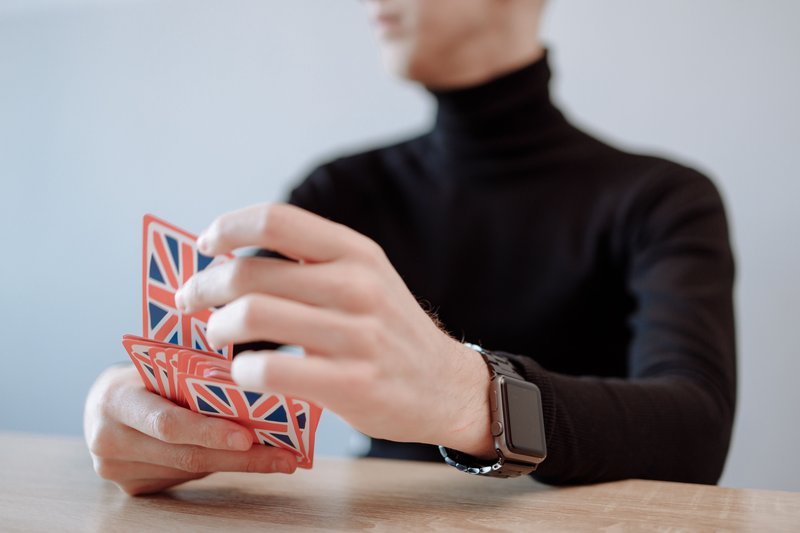
Beyond traditional gaming, mobile apps are expanding into broader entertainment. From streaming movies to interactive quizzes, the same platform that hosts your favorite game can now host a variety of content. For example, a popular puzzle app now offers a daily trivia challenge that rewards points redeemable in a partner casino’s loyalty program, linking casual play to real‑world rewards at www.your-review.co.uk.
Hardware Constraints, Creative Solutions
Screen size and battery life are real limitations. Developers counter this by optimizing graphics for 720p resolution and using low‑power modes that reduce frame rates during idle periods. One strategy game, for instance, switches to a static map view when the device is in sleep mode, conserving energy without cutting gameplay.
Security and Privacy in the Mobile Era
Because apps request permissions for location, camera, and microphone, users are rightly cautious. The leading titles now provide a clear, step‑by‑step privacy guide in the settings, explaining why each permission is needed. Additionally, encryption standards such as TLS 1.3 protect in‑app transactions, ensuring that micro‑transactions remain safe even on public Wi‑Fi.
Conclusion: A New Standard for Gaming
Mobile apps have moved beyond being a convenient alternative; they are redefining what it means to play. With instant access, adaptive AI, cross‑device sync, and integrated social features, they offer a level of flexibility that desktop gaming simply cannot match. The result is a more inclusive, engaging, and efficient gaming ecosystem that fits right into the rhythm of modern life.
Frequently Asked Questions
How long does it take to launch a mobile game?
Most mobile games load in under 30 seconds after download, thanks to optimized assets and cloud streaming.
What size download is typical for a full-featured mobile game?
A typical download is around 5 GB, which balances rich content with reasonable storage use.
Do I need a console or PC to play these games?
No, mobile apps remove that barrier—just a smartphone or tablet and you’re ready to play.
Is a fast launch possible on older phones?
Yes, many games are engineered to run smoothly on a wide range of devices, including older models.
Add a Comment